


17 Aug Beyond Species: Recapping Q3’s Startup Mastery on the Biotech Crossover
Beyond Species: How “One Health” and Crossover Science Are Redefining Biotech Innovation
Biotechnology has historically operated in distinct silos: human therapeutics, veterinary medicine, and agricultural biotech. However, the convergence of these disciplines – often referred to as the “One Health” approach – is creating new pathways for commercialization, capital efficiency, and accelerated R&D.
At our recent Startup Mastery event, hosted by Launch Fishers in partnership with Plug and Play Indiana, regional startup founders, investors, and ecosystem builders gathered to explore how cross-species crossover science is opening doors for life science startups.
The conversation kicked off with opening remarks from Eileen Albering, Senior Program Manager at Plug and Play Indiana, who highlighted the rapid expansion of Indiana’s life sciences ecosystem and Plug and Play’s medtech and life sciences accelerator programs operating out of Warsaw and Indianapolis.
The main panel was moderated by Eric Steager, Managing Director at Elanco Ventures, and featured two seasoned life sciences entrepreneurs:
- Thomas Campi, Founder and Chief Executive Officer of Modulant Biosciences
- Mark Schindel, Chief Commercial Officer and General Manager at Saint Roch Veterinary LLC
(Panelist Aaron Gilbertie of Krishi was unable to attend due to illness.)
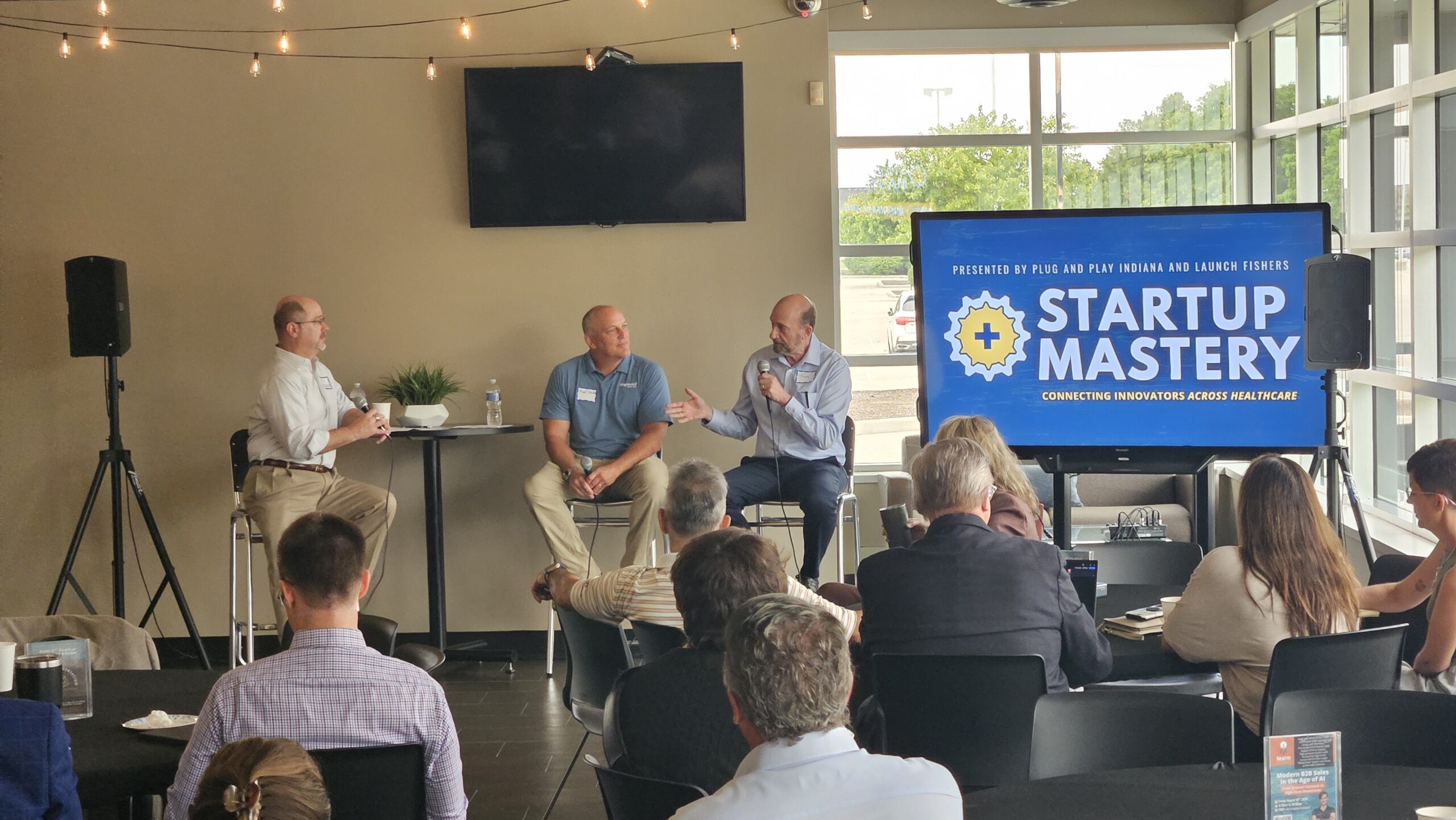
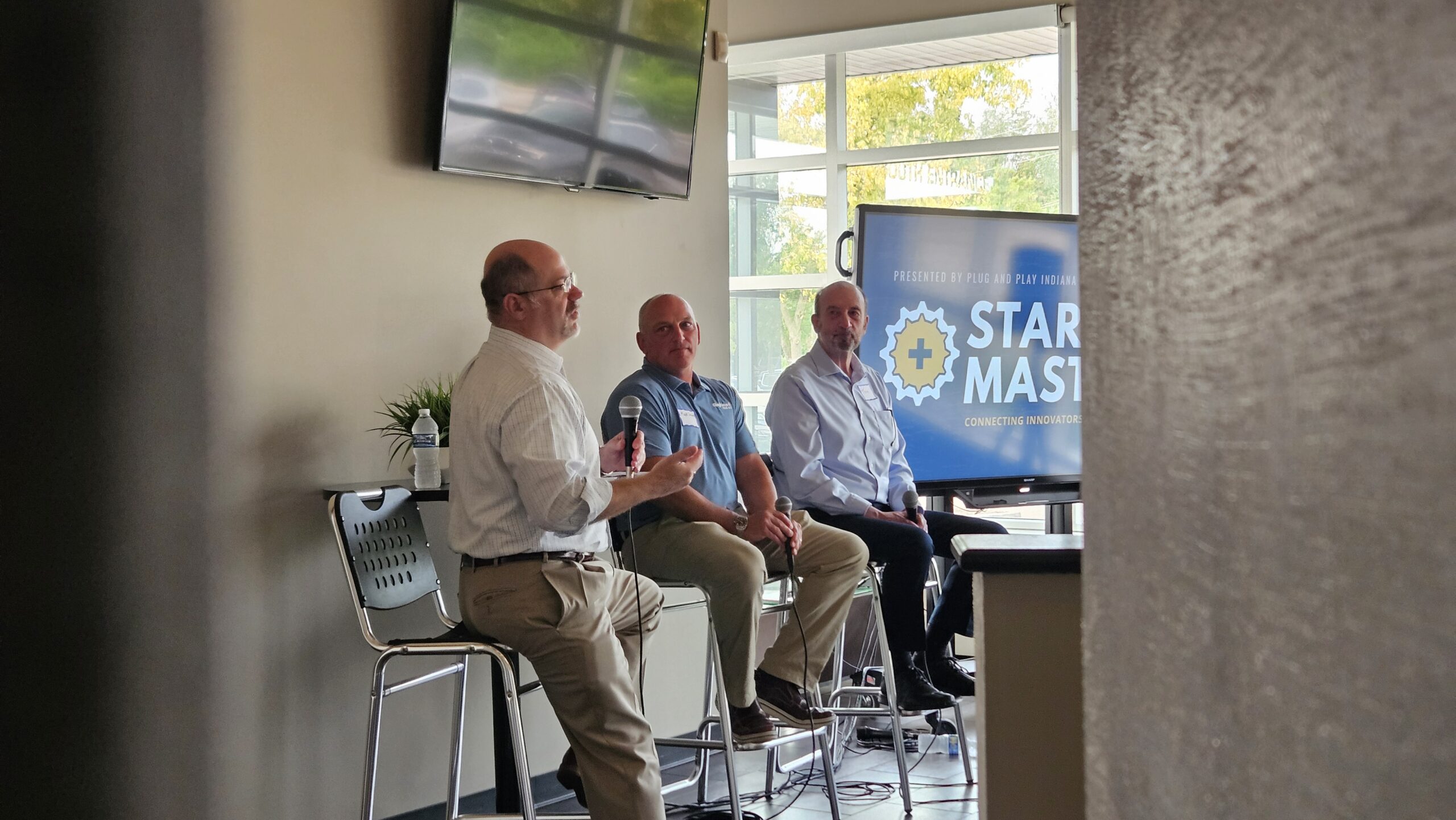
Below are the central themes, operational lessons, and strategic takeaways shared during the panel.
1. Defining “One Health” and the Crossover Opportunity
The concept of One Health recognizes that human, animal, and plant health are deeply interconnected. In biotech, this means biological mechanisms, compounds, and active ingredients often cross traditional industry boundaries.
As moderator Eric Steager pointed out, many well-known breakthroughs originated in one vertical and found massive commercial success in another. A classic example is spinosid—a compound originally used in crop protection that later became the first oral parasiticide for flea control in pets and eventually found application in human health for treating head lice.
Key benefits of a crossover model include:
- Leveraging Natural Disease Models: Studying diseases as they naturally occur in animals (such as feline infectious peritonitis or equine osteoarthritis) often provides richer clinical insights than artificially induced rodent models.
- Accelerating FDA Timelines: Generating real-world clinical efficacy and safety data in animals can significantly de-risk human Investigational New Drug (IND) applications, occasionally allowing therapeutics to jump ahead in clinical trial design.
- Bi-Directional Innovation: While most innovation historically flowed from human health into veterinary medicine, data and molecules are increasingly moving from animal and plant applications into human medicine.
2. Unlocking Hidden Assets: Alternative Paths to Funding & IP
Raising institutional venture capital in early-stage biotech can be challenging, particularly during tight economic cycles. The panelists highlighted alternative strategies for acquiring assets and funding early development without relying solely on traditional VC rounds:
- Licensing Shelved Corporate R&D: Corporate strategy shifts frequently leave high-potential assets shelved despite millions of dollars in completed preliminary studies. Thomas Campi shared how Modulant Biosciences acquired its core technology—which already had $5 million in corporate research behind it—at a fraction of its original development cost.
- Tapping University Tech Transfer Offices: University tech transfer databases are rich sources of uncommercialized intellectual property. Universities are increasingly willing to license out animal health or niche rights to startups while preserving human therapeutic rights for future development.
- Starting Lean with Strategic Partners: Building relationships with local rescues, veterinary practices, or regional agricultural partners can provide early validation and pilot testing opportunities before entering capital-intensive commercial manufacturing.
3. Product-Market Fit: Solving Real Pain vs. Loving the Science
A recurring theme throughout the discussion was the danger of falling in love with complex science at the expense of understanding commercial reality.
“Put the science to the side for a moment. What pain are you solving, what is the urgency of that pain point, and what does the pathway to revenue look like?”
— Eric Steager
For founders navigating crossover science:
- Understand Market Size and Margins: Human health blockbusters are typically measured in billions of dollars, whereas a $100 million drug in animal health is considered a blockbuster. The cost structure, pricing power, and distribution channels differ dramatically across sectors.
- Focus on Customer Retention and Demand: Panelists noted that early validation often shows up in simple ways: customer pull and fill rate. When clinics or pet owners proactively reach out asking when the next batch of product will be available, you have identified real market demand.
4. The Power of Laser Focus: Avoid Trying to Be Everything
While a platform technology may have applications across human, animal, and plant health, trying to tackle multiple markets simultaneously can stall an early-stage startup.
Mark Schindel emphasized the necessity of focus:
- Regulatory Pathways Differ: Food-producing animals fall under USDA regulations, human therapeutics require FDA approval, and plant therapeutics often involve the EPA. Navigating multiple regulatory bodies concurrently drains capital and operational focus.
- Keep Entities Separate: If a company plans to expand from animal health into human health (or vice versa), structuring them as distinct corporate entities or licensing vehicles is often cleanest for liability, investor alignment, and strategic exit opportunities.
What’s Next for Indiana’s Life Sciences Ecosystem?
With the expansion of initiatives like Indiana’s One Health strategy, a wealth of life science giants such as Eli Lilly and Company, Elanco, Corteva, Beck’s Seeds and in partnership with world-class universities such as Indiana University and Purdue University and innovation hubs across the state, like Launch Fishers, Indiana is uniquely positioned to lead at the intersection of human, animal, and plant health.
Whether you are a founder, researcher, or investor, exploring cross-species innovation offers a capital-efficient path to bringing meaningful therapeutics and healthcare solutions to market.
Did you miss the live discussion? You can watch the full event recording above and on the Launch Fishers YouTube Channel.